Understanding Different Types of Leather
The leather market is diversified, presenting several distinct types of products that vary in quality, durability, and price. One of the primary categories is genuine leather, which is made from animal hides (often cow, but also sheep, goat, or exotic species). Genuine leather is prized for its natural look and feel, offering breathability, longevity, and a distinctive patina that develops over time.
Within genuine leather, there are several subcategories, such as full-grain leather and top-grain leather, both of which retain the hide’s natural grain and quality. Full-grain leather is the highest quality available, retaining the entire thickness of the hide, which enhances its strength and durability. Top-grain leather, while still high quality, has had the natural grain sanded away, rendering it slightly less durable but more consistent in appearance.
Another category is bonded leather, a material created by binding leftover scraps of genuine leather with adhesives and then applying a polyurethane coating. This type of leather is generally more affordable but may lack the longevity associated with higher quality leathers. Bonded leather is often used in bookbinding, stationery, and some types of furniture.
In contrast, synthetic leather, commonly referred to as faux or vegan leather, has gained immense popularity due to ethical and cost considerations. Made from materials like polyurethane or polyvinyl chloride (PVC), synthetic leather mimics the appearance of genuine leather but does not involve animal products. While it is typically less expensive and often easier to clean, it may lack the breathability and durability associated with authentic leather options. Understanding these types of leather allows consumers to make informed choices, ensuring they select products that meet their aesthetic, ethical, and functional needs.
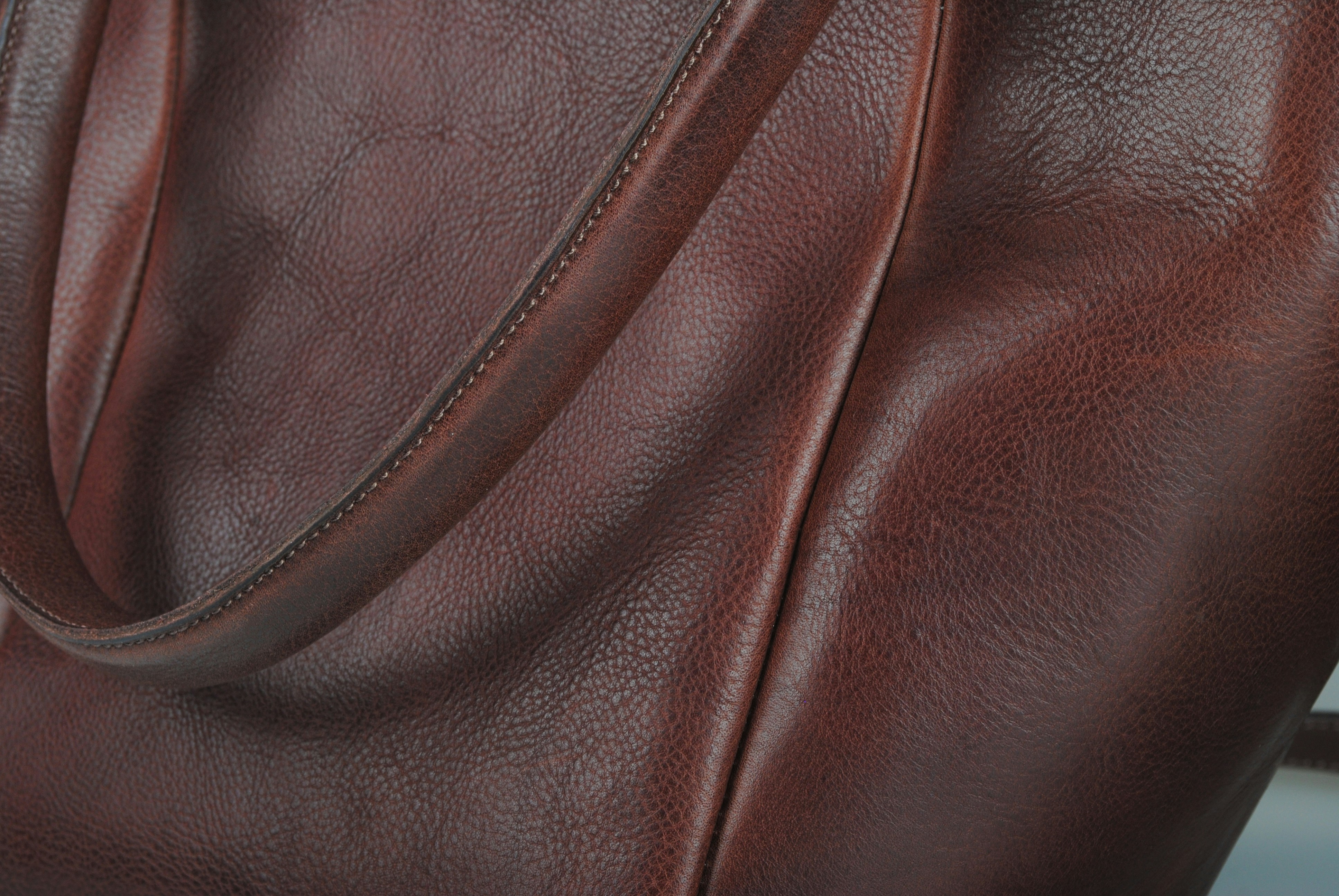
When attempting to distinguish between real leather and faux leather, a thorough inspection of both visual and textural characteristics is essential. Real leather is often identifiable by its unique grain patterns, which can differ from one piece to another. In contrast, faux leather tends to exhibit a more uniform appearance, lacking the distinct natural variations that characterize genuine leather. This uniformity can often lead to a more artificial look, which may be a giveaway that the material is synthetic.
In addition to grain, the texture of the material plays a critical role in identification. Authentic leather boasts a soft and pliable texture, which is a result of natural tanning processes. When you touch it, you may notice a rich, warm feel that can vary in suppleness, depending on the specific type of leather. Faux leather, however, typically has a plastic-like texture; this can often feel stiff and less inviting to the touch.
Another important aspect to consider is the presence of imperfections. Real leather is a natural product and may have scars, wrinkles, or other minor flaws stemming from the animal’s life. These imperfections contribute to the character of the leather and are often viewed as desirable features. On the other hand, faux leather tends to be manufactured to avoid any imperfections, maintaining a seamless and flawless surface.
Finally, checking the edges of the material can also provide clues; real leather edges are often rounded or burnished, whereas synthetic materials might show more straight-cut edges. By carefully examining these visual and textural cues, individuals can become adept at identifying real leather, allowing them to make informed purchasing decisions and appreciate the uniqueness of leather items.
Testing Methods to Confirm Leather Authenticity
When trying to determine whether leather is real or faux, there are several practical testing methods that can provide insights into the material’s authenticity. These tests include the water test, fire test, and the smell test, each offering a unique approach to confirming the quality of leather.
The water test is one of the simplest methods to initiate. Begin by placing a few drops of water on the leather surface. Authentic leather is porous, meaning the water will be absorbed relatively quickly, creating dark spots. In contrast, faux leather typically consists of synthetic materials, which do not absorb water in the same manner; the drops will likely bead up on the surface. It is important to note that while this test can indicate authenticity, it may not be foolproof due to different finishes used in leather goods.
Next, the fire test can be another method to assess leather authenticity. To perform this test safely, take a small piece of leather and carefully singe the edge with a lighter. Real leather will emit a natural hair smell reminiscent of burnt hair and will not ignite quickly. Faux leather, however, may produce a chemical odor and can catch fire more rapidly because it typically contains synthetic materials. Given the risks associated with fire, this test should be conducted with caution and only in a safe environment.
Lastly, the smell test offers a quick way to gauge authenticity without any risk. Real leather has a distinct, rich aroma that is often described as earthy or organic, which is absent in synthetic materials. If the item smells plastic-like or chemical, it is likely faux leather.
Each of these tests provides valuable information, and when combined, they can effectively help consumers distinguish between genuine leather and imitation materials.
Caring for Real Leather vs. Faux Leather
Caring for leather goods can be quite straightforward, yet the approach differs significantly depending on whether the material is real leather or faux leather. Understanding these differences is crucial for maintaining the longevity and appearance of your items.
Real leather, derived from animal hide, requires specific care to prevent drying and cracking. Regular conditioning is essential to preserve its natural oils, which can deplete over time. A quality leather conditioner should be applied at least every six months. When cleaning real leather, it is advisable to use a damp cloth or specialized leather cleaner. Avoid using excessive water, as it can cause damage. In terms of storage, real leather should be kept in a cool, dry place, ideally in a breathable dust bag to safeguard from dust and moisture.
Faux leather, on the other hand, is often made from synthetic materials that mimic the appearance of natural leather. Care for faux leather is generally simpler. It can be cleaned with mild soap and a damp cloth, making it less susceptible to damage from moisture. However, certain cleaning agents, especially those containing alcohol or ammonia, can degrade the material, so it’s essential to choose compatible products. Conditioning is not typically required for faux leather; instead, focus on keeping it clean and free from harsh chemicals.
One common mistake when caring for leather goods is neglecting the specific needs of the material. Using the wrong cleaning products or methods can lead to irreversible damage. Furthermore, exposing leather to direct sunlight can cause fading and drying, particularly in the case of real leather. In contrast, faux leather can be prone to cracking if stored in extreme temperatures. In summary, understanding the unique requirements of real and faux leather is key to ensuring your items remain in optimal condition for years to come.